Data, Dollars, and Decisions: Your 3-Year Strategy for Scalable VR
Learn how nursing leaders across academic programs and health systems are building the financial and operational case for immersive VR simulation.

Inside the Webinar
Hear from UbiSim's Nursing Simulation Specialist Christine Heid and Samantha Smeltzer, Vice President of Simulation at Orbis Education, as they share how nursing programs are building the financial and operational case for immersive VR simulation. Learn a practical framework for demonstrating ROI, measuring learner outcomes, and expanding simulation capacity without major capital investment.
Grounded in the Value-Based Simulation in Healthcare (VBSH) model and INACSL best practices, this session will provide strategies you can use whether you’re launching a VR program or scaling an existing one.

Heading 1
Heading 2
Heading 3
Heading 4
Heading 5
Heading 6
Lorem ipsum dolor sit amet, consectetur adipiscing elit, sed do eiusmod tempor incididunt ut labore et dolore magna aliqua. Ut enim ad minim veniam, quis nostrud exercitation ullamco laboris nisi ut aliquip ex ea commodo consequat. Duis aute irure dolor in reprehenderit in voluptate velit esse cillum dolore eu fugiat nulla pariatur.
Block quote
Ordered list
- Item 1
- Item 2
- Item 3
Unordered list
- Item A
- Item B
- Item C
Bold text
Emphasis
Superscript
Subscript
Hello, and welcome.
Thank you for taking the time today to attend our webinar, a three year strategy for scalable VR simulation. Before I introduce our expert speakers, let me share what you can expect from the next hour. We'll walk through a a practical framework for building the financial and operational case for immersive VR simulation, covering the four pillars of the VBSH model, dollars, decision, data, and duration. You'll leave concrete metrics, cost comparison data, and accreditation aligned strategies you can bring directly into your next leadership conversation.
And we'll hear real world perspective on what this looks like across both academic programs and health systems.
To introduce our speakers, I'm excited to hand this over to two leaders who bring both research foundation and the day to day practice experience to make this conversation genuinely useful.
Doctor. Kristine Hyde is a nursing simulation specialist at Ubisim. She holds a PhD and is a certified nurse educator and health care simulation educator, bringing deep clinical and simulation expertise to help nursing programs evaluate and build a case for immersive VR simulation across both academic and health system settings.
Doctor. Samantha Smelzer is the Vice President of Simulation at Orbis, where she leads a national simulation strategy across nursing programs. She brings over a decade of experience in nursing education, clinical practice, and simulation leadership and holds her certified healthcare simulation educator credential as well.
Doctor. Samantha has presented nationally at INACCEL, IMSH, and AAC at Transform and serves on the INACCEL pre briefing subcommittee. Together, they'll share a replicable framework for calculating ROI, measuring learner outcomes, and scaling simulation capacity without major capital investment.
Now a few housekeeping items. This session is being recorded. If you'd like any information from today, please feel free to ask in the chat and a member of our team will post reference links to it.
You can also reach us at ubsimvr dot com, contact us. We encourage you to participate in the polls and the chat along the way and drop your questions in the Q and A section. With that, I'll turn it over to Doctor. Samantha and Doctor. Christy to begin our discussion. Christy, the floor is yours.
Speaker 2
Thanks so much, Tracy, and welcome, everyone. We're here to tackle a critical paradigm shift, moving simulation from a perceived cost center, which requires justification every year, into a measurable value driver that actually safeguards the bottom line. I'm thrilled to be joined today by doctor Sam Smeltzer. And, Sam, your experience leading simulation strategy across the national academic practice continuum is really invaluable, and I'm really looking forward to your perspective on how we can finally bridge this readiness gap.
Thanks, Christy. It's great to be here.
Speaker 3
I think many of you on the call today are feeling that feeling of attention, the pressure to move do more with less, to scale simulation with dealing with shrinking budgets, staffing shortage, limits physical space.
So we're hoping to, going to move beyond that theory and dig in exactly how we're gonna solve these operational constraints.
Speaker 2
This sounds great. So to solve some of those problems, we're gonna start with getting honest about the economic environment we're currently operating in. So we aren't just talking about educational quality today. We are talking about operational survival. So let's pull back the curtain on the inaction tax, the tangible physical cost of doing nothing. So we've laid out some hard numbers here.
A sixty k turnover cost is a direct impact on the bottom line when an RN doesn't remain in the position they were hired for. We need to be clear about what is actually driving this economic reality.
The status quo is no longer sustainable. We're currently trapped by heavy resource barriers such as physical space, equipment, intensive staffing ratios that make standardized high volume sim simulation impossible.
So Sam, you've been on the ground leading these strategies for over a decade. When you look at this sixty five percent readiness gap, meaning hiring leaders reported in a study we conducted that sixty five believed their nurses, their graduates were not ready for practice compared to three years ago.
When you look at this, how are physical constraints choking our ability to fix it, And how do you frame that reality to your partners?
I frame it as a twenty first century complexity problem being stifled by twentieth century constraints.
Speaker 3
When you look at simulation sites or centers, we're building sims for the acute care facility, right, or acute care hospitals, where a lot of our learners or our extra nurses are going outside the hospital setting into other realms. And again, we're seeing that shift, but our curriculum isn't matching our space. Specifically, is it matching that shift? And then how do you change that?
How do you make a an acute care hospital bed into a home health room without spending so much more money or doing your whole refab? So I think the issue, we have to optimize space and start optimizing for throughput. It's time to move from a space limited model to a scalability first delivery model. I think with the most simulation we have now, we can do that without breaking the budget.
Speaker 2
And that's an important point. Right? Because budgets matter. At the end of the day, we have to be mindful of of the cost of the work that we're doing.
So designing for the learner instead of the room, that's a real paradigm shift. But I want to hear a little bit more from our audience. So we'd like you guys to chat in your thoughts here. Thinking about the graduates and residents that you see daily, why do you think we're seeing this discrepancy between academic preparation and clinical reality on the floor?
Is it purely a space problem or is there a deeper disconnect? So go ahead and drop your thoughts in the chat, if you will, please.
And thanks for sharing where you're joining us from. I love to see this.
So while folks are kind of thinking about these thoughts, maybe we can talk a little bit about what we're seeing as well.
I'm already seeing some familiar things. I see staffing, rural areas, and I'm seeing that a lot myself and preparing for rural care is another factor we've talked a lot about and a lack of experiences. Thanks for sharing.
Speaker 3
As Jessica Appropriate clinical instructors, I think, is also important too.
Lack of simulation, that's totally, you know, important because, again, I think sometimes people think we'll get to this later about simulation as an added benefit, but not actually immersed in the curriculum. I think that's a huge disconnect what we're seeing right now with clinical spaces, limited clinical spaces, and things like that.
Speaker 2
And Melissa brings up a great point, you know, how much time are they in the clinical environment as well. So, you know, we're using simulation sometimes to make up for a lack of clinical exposure or as an added benefit, right, to extend to cases that perhaps they're not seeing in practice. Oh, absolutely.
So it looks like connecting clinical and lab is another thing that we're coming in with. And I encourage you all to continue to share your thoughts. We'll actually spend some time also with more q and a, so keep percolating. All right.
So we have clearly defined now the inaction tax and the gaps in our traditional methods. So what I want to do is talk a little bit about the solution, immersive virtual reality. So I want to be very clear. We're not framing this as cool tech, right, that you can just have in your lab and it's like, oh, let's show everybody that goes on a tour.
We're framing this as a strategic imperative for operational survival.
So Sam, you've been at the table for countless budget decisions. When you look at these three pillars, space and footprint, faculty and delivery, or quality and risk, which one is the actual tipping point that you see moving budgets from pending to approved?
Speaker 3
So I'm going go with the nursing instructor statement. It all depends. So it all depends on what table I'm actually sitting at. If it's academic, we're going to talk to or the program director, the hook is usually faculty delivery, reclaiming their time for the reset dance, faculty burnout, how do we, you know, maximize the FTEs without making them go over forty, sixty hours a week type of thing.
When we're looking at the health care partnership, you know, c suites, it's the, you know, what are they missing in their data? What is the biggest burn for them? You know, you typically, you know, we talk about faculty or no. Keep going back faculty to to the graduate nurses, but, you know, what is hospital seeing that's a ding on their accrediting bodies?
Is it Coddy's? Is it soft skills? You know, we know that's a big huge gap in our learners to tradition to practice, you know, speaking to faculty. They're not used to it, especially with this day and age.
So I think it depends on what the data shows for them and then what we what we need to talk to. Again, you know, when we look at space, it's like how can we maximize, get the most bang for the buck? Can we move this space into a high fidelity, high quality sim suite, or can we use it as an immersive station? How quickly we could turn it over, or can we use a classroom?
Because we have a set, you know, brick and mortar, and we can't really just go and, unfortunately, rehab a space every two to three years.
Speaker 2
And you're bringing up a lot of really good points here too. And I think our audience is eager to share their thoughts.
We're not just solving a daily headache, We're talking about a number of things that, to your point, we can't just change every semester every year. Right? We need to think how is this going to be something that we can sustain over a period of time. We'll talk a lot more about that as we walk through here. So one of the things that that we'd like to hear from from the audience on is if you were to look at one of these areas, what would be your first area to tackle and why?
So what's your biggest pain point?
So I see some improving ROI and diversity on use of equipment available. This is a good point, Randy. I see a lot of times we're we're used to what we're used to. Right? We continue to go back to the things that we've been using time and again, but maybe thinking about our standards of best practice, right? Maybe there's a better modality or a supplemental approach where we're using a hybrid between methods.
Sam, what are your thoughts?
Speaker 3
I think we have to look at the ROI. I like what Ernie said, improving ROI. We also need to match the technology with with the the curriculum. Right?
And I think that's a huge misnomer. You know, people think high fidelity, they want the sixty thousand, hundred thousand dollar manikiners human patient simulator. That's not necessarily what you need. It it's depending on what the curriculum, what your student learners are needing from the academic side.
And then conversely, at the health care partnership, what is your you know, what do you want your new graduates to kinda retain? So maybe more speaking soft skills, those type of things. So, again, you know, repetition is always good. So, again, it depends on, again, what table you're sitting at, but also what is what does your space look like and how do you want to capitalize on it and how to use it?
Speaker 2
That's a great point, Sam, and and I'm seeing that is resonating with our audience as well. One of the things here that Amanda shares is getting buy in, right, for this new technology. Technology. And we're gonna talk a little bit more about that, but that is a big part of it. Right? We were all in those in those, centers perhaps or heard of them, you know, because we go back a few years. Right?
Seasoned.
They were sitting on the shelves. Right? Is VR doing that in your centers now? You know, that's something how can we get it off the shelf and getting it into the hands of our learners?
Speaker 3
Well, and I think the the to your point, the lack of education or maybe just the uncomfortability of using tech. Right? I mean, it is not too far fetched that ten, fifteen years ago using a computer on your with your handheld, it was just unseen. And now we're putting things in your hand you know, on your eyes and being all immersed and just that unknown, you know, tends to be, overwhelming to faculty and and staff.
Speaker 2
Absolutely. So maybe we can talk a little bit about making it more comfortable.
And so let's go ahead and shift to our approach here that we'd like to share, really to create a cohesive structure and language. And this is using the value based simulation in healthcare framework adapted to our unique little ROI matrix here using our dollars, decisions, data, and duration.
So one of the things that we're really trying to do is fix the fragmentation that we can see in simulation, and especially as it translates simulation into the language of leadership. So this is where VBSH is originally developed by Barker and colleagues as an adaptation of Philips Framework, which you may be familiar with as a way to kind of make that case. It reframes that simulation training into something that is easy to be discussed among those who don't do simulation every day and measured, most importantly for that ROI. So when we're looking at an investment, we're really looking at creating a case that moves the simulation center from being perceived as a cost center into a measurable value driver that supports not only our institutional goals, but also the outcomes that we see in our users.
So the structure is designed to quantify the ROI for immersive virtual reality by comparing it directly against traditional mannequin based models across these four pillars. So the dollars are really your financial justification.
It's a three year total cost of ownership analysis highlighting cost avoidance, reduced capital expenditure, and the significant financial impact of improving nurse retention protecting against that high cost turnip that we saw earlier.
Decisions then involve standards and accreditation. So these are standards of healthcare simulation best practice, as well as the clinical judgment measurement model from NCSBN, as well as SSH accreditation for our simulation centers and other regulatory considerations that we use to build our SIEMs. So by linking simulation to standards, we ensure that educational rigor and credibility during accreditation audits and other important measures. That brings us to data or the objective evidence for our case. So this focuses on shifting from subjective to objective longitudinal data.
The idea is that we can use native analytics from our IVR such as time to intervention or accuracy scores to provide defensible quantitative evidence of student or resident competency. And then, finally, we want to mention duration. This is where we're thinking of sustainability and translation over the long term, so that the program remains viable beyond that grant funding, right? It ensures that it's sustainable and resilient against operational and fiscal shocks. We also look at the translational framework key levels, ensuring that the skills practiced in VR effectively transfer to improve patient outcomes at the bedside. So I know that this is a lot, right? And we hope that you can see the structure can help translate simulation into the language of leadership.
So from your perspective, Sam, why is this specific ROI framework the missing piece for most programs?
Speaker 3
Because I think most programs look at mannequins and schedules. Right? You know, they wanna see how they do. They forget the outcomes.
Like, what is the goal? Simulation in any form, mannequins, task trainers, high fidelity, VR, XR, they have to have be they have to be outcome based. They what is the reason why we're doing this? Just like with anything.
You can't just do it because it's fun and it is exciting because, again, that doesn't help the learner learn to the point where we need them competent. So when we pull back that and talk about the outcomes, this framework forces everyone to stop stop talking about this stuff and start talking about the outcomes. Do you wanna see an increase in retention, a decrease in negative adverse effects. And going to the academic side, do you want to see students meeting those essentials, they're hitting competencies, they're feeling that they can be the nurse and stay in the nursing realm that we want them to be in.
So it organizes everything we do, this investments, planning, results into the four pillars that you guys have talked about and makes you a strategic partner in the c suite rather than just departments with the checks and balance of, okay, we need a new mannequin here. So, I think, you know, I think that's what drives this, and I think it's it's comprehensive. It just just doesn't focus on one thing. It focuses on the entire outcome of your learner population.
Speaker 2
That's a great point, Sam. We wanna be comprehensive in our approach. Right? And like you said, you know, it's easy to say, well, it's fun.
They like it. But how does that relate to the bottom line? Right? And how Did they learn?
Yeah. Did they learn something? Did they did they acquire those competencies? So let's take a quick pulse check with our audience.
So in your setting, what is the primary lever that you use to justify simulation ROI to leadership? Leadership? So is this through cost savings or the dollar pillar or clinical outcomes and competency data? Is it accreditation and requirements for compliance at your facility?
Or is it retention and workforce readiness? So take a moment and you can enter in the chat a, b, c, or d and you can have more than one because I'd love to hear it what what we are looking at.
So I'm seeing a lot of b's, clinical outcomes and competency data.
No surprise. Right, Sam? That's a big that's a big topic right now. I see some accreditation and compliance, and I see some retention and workforce readiness.
And Marianne says all of them. I like, yeah. We have to worry about all of them. Right?
He might go ahead, Sam.
Speaker 3
It's like the nursing thing. Select all that apply, but they all apply. So it's one of those, again, nursing jokes. Yeah.
Speaker 2
It's
Speaker 3
all it's all of the above, actually.
But They all matter.
Speaker 2
Yeah. Yes. But let's talk a little bit about each of these elements using some case studies that we put together, and then maybe help us decide which is the first one you're going to start doing. Right?
So to make this concrete, let's look at how this framework plays out in the real world. We have two examples. One, an academic case study, and the other, a health care hospital based case study.
So on the academic side, the focus was on ROI through capacity expansion, while the hospital side is using the framework to standardize clinical data. So this might be familiar to some of you guys.
Sam, when you look at these two distinct use cases, is the implementation strategy fundamentally different, or do you think the pillars are universally applicable?
Speaker 3
In my opinion, the pin pillars are universal, but the pain points, they solve change. Right? It depends on where your academic or hospital. In academia, we're using dollars and duration pillars to solve a capacity bottleneck.
In the hospital residencies, they're using the data pillars to solve a visibility bottleneck, giving the nurse manager eyes on performance before a resident touches a patient to see if they're truly are practice ready nurses. Right? And then also and this just doesn't apply to just the residency program, but also our nurses who've been there two to three years but may need a little refresher because they're switching jobs, they went to a different acuity, they need to go back to that practice ready and not just unfortunately reading signs to check that you're okay with things. You know, if you worked in the hospital, you know what I'm talking about.
You know, going back in and actually doing the things we need to do, and how do you do that in a safe environment is using simulation.
Speaker 2
Absolutely. And you bring up a really important point. You know, in academia, we're preparing nurse generalists, right?
In the hospital environment we are helping support specialized practice, know, and if we move from one specialty to the next, there is a learning curve there. I know I've experienced it and many of them on the call I imagine are there as well. So I think this is a great opportunity to say, you know, of these pain points, right, capacity versus data and visibility, which one's resonating with our audience today? Go ahead and chat those in for us. You can either type in capacity or visibility.
Just kinda curious where our focus is for for those who have joined us today.
Yeah.
We got
Speaker 1
a lot
Speaker 2
of system.
Excellent.
Speaker 1
More capacities.
Speaker 2
Awesome.
So what we're gonna do is we're gonna walk through each of the four pillars, and we're gonna share with you how these case studies play out in both spaces so you can kinda get a feel for what this might look like for whichever case you're trying to propose.
So let's go ahead and get started with that budget narrative or dollars, right, our first pillar. So we're moving from a cost center to a value driver. You'll hear me say this time and again. Right? Because it's all about creating value. Right?
Sam, when you're in front of a dean or a CNO under pressure to cut budgets, how do you use these specific ROI figures to shift the narrative from cost to retention? And these are some pretty numbers.
Speaker 3
Yeah. They're they're huge. But I stopped presenting simulation as a piece of equipment and start presenting it as a solution to operational headaches. When I show a hospital that retaining just one percent of their staff saves nearly three hundred thousand annually, the cost of an IVR program becomes negligible.
Right? And I think that's the key takeaway from this is that when you look at this and not say, well, yes. The this cost is x, y, and z, but what you're gaining from it, you could double that cost. You could have more programs, more space, more students to go through that, especially if you're looking at simulation to replace some hours in clinical.
You know, then you're taking away of that burden of trying to find all these clinical spaces because now you're shifting some of your students back into those simulation environments to practice, allowing a birth of more student population. Right? And, again, what we need is practice ready nurses. And if we can solve the problem, you know, simulation or IVR, anything like that, it's it's a win win.
The bottom line, I think, is it's important to see, like, we have to stop looking at this as a numbers game versus what we could do outcome based and competency based.
Speaker 2
Well said, Sam. And I think you're absolutely right, and I imagine our audience is probably having that same conversation. So when we shift from an expense to a retention strategy, I think you're right. That's key.
Right? This is universal language in lead leadership. Right? So we've established the financial imperative. Now let's look at how we design for quality and compliance in our next pillar, decisions.
So oh, went too fast. Okay. I'm gonna stop clicking buttons. Okay. So now we're on the decisions phase.
So this is how we anchor our SIM delivery to an actual standards of best practice and supporting SSH accreditation standards. Because many of you may be seeking accreditation, or you may have the the opportunity to work in an accredited center. And a lot of that goes back to not just is it fun, right? Like you said before, but what kind of outcomes are coming from this.
So the first thing I'm going to highlight here is target areas. These should be based on prioritized care needs. And this is going to look different depending on your setting, right? Some common areas that we see halo, right?
High acuity, low occurrence situations. These are relevant across the board. But what we're also noticing is that some CMS guidelines, for example, those federal mandates may be released and we have to show how that those guidelines are incorporated into our simulations as well as retraining, right, if the outcomes didn't meet what we hoped for.
These are essential elements to not only the SIEM experience, but also considering the full cycle from pre briefing through facilitation and debriefing. So, the support of standardization of care across academic and healthcare systems can really make a difference. So, Sam, when you look at these two models, how do we ensure that these decisions, like implementing, for example, a specific infection control protocol, are defensible in your design?
Speaker 3
Well, think it has to do with high reliability. Right? Because that's the key right there. We want things reliable.
Also, that this the best practices standards are environmentally agnostic. It doesn't matter if you're using an institute simulation, a simulation suite, SPs, you know, using your frontline or front space depending on what it is. It doesn't matter. The standards are met for simulation, not the place, but the SIM design.
And I think that's important. We're mapping everything to trigger to the NCSB clinical judgment measurement model for student nurses, you know, because they have to, at the end, sit for the NCLEX. We wanna make sure they're meeting those competencies. They can do that critical judgment thinking that we need them to do when they've passed the boards and become a GGN nurse.
I think this transforms abstract to CMS regulations into objective data. Because again, if you're seeing your floor getting dinged on certain things, right, you want to find that data and see what we can pull on it. The best thing with this decision is you could pull simulation to see are we meeting competencies and practice those techniques that we assume nurses come with the table with. But again, they may need to be refreshed or they're coming from a different environment, and I think that's important to do that.
We're no longer guessing if the nurse knows the policy. We have a digital audit trail, they can execute under pressure. And I think that's important. We just can't assume that the nurse that leaves academics passes the board that they're con you know, competent nurses.
We need to show them. They need to feel safe in that environment. We need to make sure that they are able to practice their educational capabilities and what best ways to do this with standardization.
Speaker 2
Absolutely. And no risk to the patient, right? It's also safe, as you mentioned, for the nurses. And I think that's an important thing as we consider, you know, one of our key elements, right, as you've spoke quite a bit about the psychological safety beginning in that pre briefing space, right, and making sure that we're considering that when we're choosing our simulation modalities.
So understanding how to anchor our design standards is half a battle, but once we have that, we need the hard evidence, right, to prove that it's actually working. So let's take a look at how we transform those design decisions into accreditation ready evidence we need. So let's move on to data.
So this third pillar is where we transform symmetrics into evidence that directly impacts the bottom line. Now I don't know about you, but I've collected a lot of data in simulation.
I've even seen it collect dust and nothing come of it because we are really good about capturing this information. But one, are we capturing the right stuff? And two, what are we doing with it?
So when you are presenting to a CNO or a CEO, how does this shift to digital objective metric metrics change the conversation regarding accreditation evidence or hospital wide performance metrics like HCAHPS scores, for example?
Speaker 3
Oh, I think data changes the entire narrative. Right? And I think that's the key missing piece that we, as nurses and educators, need to kinda lean into more to understand. We we may think we know it's right, but do we have the data to support our thought process?
So in the past, accreditation was based on intent. You know? Moving to a platform narrative data, we're providing objective, longitudinal evidence. It's not just exemplars, but we can showcase across the curriculum that we're meeting objectives out.
And I think that's the important piece of it.
I think the objective data is critical for demonstrating compliance with accreditation standards such as CCNE, Joint Commission, CMS, especially if you're in a health care partner realm. And, again, it supports the centers of excellence in magnet facilities and, again, the high reliable reliability organizations. I think furthermore for the data that it kinda ensures the nurse competency and improves their soft skills. Programs can drive the improvement in HCAHPS scores.
You know, it's a big deterrent. If your HCAHPS scores are low, we know that's tied to reimbursement. Right? So, again, we show competency.
It it becomes that outcomes back to the previous slide. You know, that cost of doing this upfront is not retention. It's improvements. We can showcase that, and then it will ultimately show in our accrediting bodies, you know, their review of us, so to speak.
So I think that's key right there. So that is extremely important. Without it, we're just making assumptions based on feelings.
Speaker 2
And that's a really important point that you're bringing up because so much of what we do, you know, like we said earlier, it feels, you know, fun in this moment, but we also have some pretty strong feelings that come up when we see problems, like, that we want to fix, that we want to help with, you know. Nobody wants to be in those compromising situations.
And so by helping prepare our nurses with that experience ahead of time, then we can have a better outcome for everyone including them, right.
So moving from subjective guesswork to quantitative proof is exactly what accreditors are looking for. And once we solve that data problem, you know, then the final challenge is really making sure that it lasts. Right? Because we don't want this to be, you know, one year and then it's gone.
So let's talk about the fourth pillar, duration, and how we can make simulation sticky enough to become essential infrastructure.
So when we look at duration, I want to think about staying power, but I also want us to think about turning simulation into that essential element where it's so embedded that it cannot leave, right, That it it is it is necessary. And many of you have an opportunity already to to highlight the importance of simulation. So what we'd like to to share here is, you know, moving beyond a project mindset, which a lot of times bringing in new tech feels like a project. Right?
Oh, we've got this new fun tech. We're gonna see what we can do with it. And we might find one little area that we wanna focus on, you know, infection, prevention or something. But in order for it to last, we have to find kind of a bigger why.
Right? You know, a better connection. So we don't wanna have to fight for budget every year, right, and justify our existence as a program. We want, resilience that really allows us to withstand those operational shocks and that's capable of scaling as technology and healthcare demands evolve.
So Sam, we see programs that start with great momentum but eventually stall out. So from your vantage point, what is the glue that makes a program stick? How do we build that translational engine, so to speak, so that what happens in VR actually translates to better care at the bedside?
Speaker 3
I think it comes down to utility. Right? You have to use the equipment. You gotta have to plan for it.
I I like what you said earlier. Like, simulation has to become embedded in the curriculum. You know, this can't be an added plus value for everything because, again, when budgets get tight tight, they are they're quick to let forego simulation for something they think that's, like, a case study or so to speak. So I think it comes down to you have to embed it in the curriculum, use it as a utility.
If you view simulation as a piece of equipment, you always gonna have a cost center to it. There's like, oh, we can't afford it, we're not gonna do this sim. You know? And I think that's the mindset we need to switch, that we have to understand simulation is a part of curriculum, and it needs to work because it shows what we needed to show, and not as a cost center.
If you view it as a solution to operational headaches, which, again, that's what we kinda push, you know, I always like to to challenge our CNOs and program directors and deeds. I think it's like they're they always think, oh, wow. We could do that. I'm like, oh my gosh.
The things that we could we could do with simulation, as an added benefit for your for your, students, but also to cut down the operational headache. I think, you know, when you have things like nursing turnover or faculty burnout or patient safety, it becomes utility. Right? You train everyone from the ground up that everyone can go in and do it.
You stop thinking simulation as a program, and it becomes a strategic partner in clinical safety if you're looking as a health care partnership. So I think, again, there's ways to when you drop that rock in the pond, the ripple effect, you can mitigate those ripples and but it has to come down to utility and how we're using it and then becoming so embedded in the curriculum that it just it's like a textbook. You can't really get rid of textbooks. You can find alternate opportunities to it, but at the end of the day, there's a text involved.
Whether it's open access, you buy it from a bookstore, you still need that that language, that knowledge base.
Speaker 2
Absolutely. The evidence for our practice. Right? So we're just we're creating the same thing in simulation. You know? If we're looking at some of these system level challenges, we can find ways just like any other, you know, QA process, right, that are going to be ideally suited for for using simulation to help solve that and might even have better outcomes than you can imagine. But sometimes it just takes kind of some of that insight into seeing that.
So
Speaker 3
If I could add to that too.
Sorry, Christy. I was it's honestly, like, with duration. You know? Everyone has, like, an end of life, you know, stock and value with it, but you plan for that.
You plan for anything. Even with curriculum changes, curriculum needs to be touched every two or three years. So you plan that into your simulations. Like, how long how many times have you touched your simulation?
You just can't have one and not update it every three to five years because nursing has changed. The outcomes have changed. So I think, again, when you add that into the curriculum as part of that rolling curriculum review, you can see where you may have to, you know, wiggle a little bit and move something to a different modality or but how you maintain it, I think that's the important piece of it is, like, it has to be on the forefront. It just can't be on the back end of things.
Speaker 2
Well said, Sam. Thanks for sharing that perspective. I think that a a lot of what we're hearing today is that, you know, what we invest in today pays dividends in performance tomorrow. Right? And we need to continue to have that conversation, you know, about about using, these technologies we have today and those that come out tomorrow. Right? So, let's bring the conversation back to our audience for a moment.
When it comes to making the case for immersive VR at your institution, where are you in the process?
So we have a few a little question here. Oh, sorry. So first things first.
Drop a letter in the chat for which one aligns with your needs. So first is building the case for the first time.
B is having leadership interest, but you still need that hard data to back it up.
C, you're actively scaling a program that is already underway. Or d, you are navigating budget cuts or upcoming renewals. So as we kinda give you a moment to submit your responses, curious what what your experiences are.
What are we seeing here?
So some are building the case for the first time. Thank you so much for joining us. We're excited to be, part of that experience for you.
Go ahead, Sam. What else do you see?
Speaker 3
I see scaling a program already underway. That's interesting to me. You know, how are we gonna scale up or scale down? I think it's important. Hopefully, scaling up. And what are you using for it?
Speaker 2
Yeah. Where do we start? Right?
How do we we build that with that
Speaker 1
vision?
Speaker 3
No one's no one's hitting d right now, which is kinda nice. I know.
Speaker 2
I saw one person's waiting on grant approval.
Best of luck with that. That is a great way to get started to bring something new into your center.
Curriculum acceptance and building it so it's sustainable. Michelle's bringing up that point that you mentioned earlier, Sam.
So hopefully we're helping you make the case a little bit here. So what we're noticing, of course, we've got a variety of responses here, but we're truly trying to prove that simulation is a strategic value driver. So let's take a look at how the strategies we've discussed can turn into actionable next steps for you tomorrow.
So we're going to just kind of recap here our four pillars, dollars, decisions, data, and duration, but you don't need to tackle them all at once. So if you were to pick one quick win to implement by next month, what would it be? Is it starting the the cost total cost operation analysis to show potential savings or mapping your current outcomes to a specific accreditation standard?
What focus will you have on helping move the needle for your leadership?
Speaker 3
I keep I completely agree, Christy. I think the biggest trap is thinking that you need to overhaul the entire program overnight. Let's be honest. I came, my favorite mentor always said, you never change your first course the first time.
You wait till the third time you do it to make the complete changes. Because, again, you don't know what you think you know until you run the course. So trying to change a whole curriculum in six to ten weeks, no way. I I would just be like, okay.
Tell me how to I'll see you in twelve when you come ask me for help. That's how I say that stuff nicely, of course.
But I think you need to pick a pillar that your institution feels the most pain. Right? Something low hanging fruit that you can show outcomes and improvement pretty quickly, but not a lot of stress for you and your faculty, whomever your team is. If your budget's under review, start with the dollar seller. If you're preparing for a site visit, start up with data.
Small, defensible wins build the momentum you need to transform your simulation program into a long term strategic asset. And, again, it also builds confidence and competency from your c suite that you know what you're doing. I think that's key too because if your c suite trusts you and they're showing those wins, those gains, they're more willing to kinda write that check more because they know you're onto something that's positive with outcomes and they can show.
Speaker 2
Absolutely. Well, it sounds like our audience is is in agreement here. We have a lot of a lot of, data and dollars. We have some decisions, and we even have all of it, right, which tells me that this is definitely something that we wanna continue to talk about.
So before, we've moved past, I want you to start thinking about, how can we, grow? How can we prioritize this growth? And in order to do that, we need to stop doing something, right, to make room for the new.
So looking back at our conversation, what's one thing that you're gonna stop doing in your sim program to make room for something higher impact? And these are just some ideas here, but I'd love to to see what the audience come I hear from you as well, Sam. Yeah.
Speaker 3
Let's see what the audience says here for a minute.
Speaker 2
And this might be something we have to think about for a little bit. Right?
Speaker 3
Yeah. For sure.
I do like the fact that we low yielding repetitive admin tasks, you know, that consume your time.
You know, I think that's something we can maybe can we customize it? Can we standardize it? Is there a standardized form that you have? If you're having faculty use your sims, you know, can they fill out this form before you have to stop and, you know, get meeting upon meetings for it? But having a standardized form is something that you could, you know, stop that repetitive and make it standardized and, formal. I think it's important.
Let's see. I also you know, high impact activities, standardization. Again, I talked about that. Making company based scenarios.
Do oh, take out long didactic sessions, Jessica. Yes. Absolutely. Know, our population, we know they can't sit like we did for two hours and fifty minutes for a three hour class.
Right? You know, they have to have hands on. They have to have quick little microburst of learning. Can we input some kind of VR technology for that to kind of recap what we're teaching them and see how it works in real life.
Yep. Flip classrooms.
Perfect.
Speaker 2
And sorry if I'm having issues with the camera. I'm still here now with you as we're kind of wrapping up today's session.
I want the group to continue to share their ideas, but we'll go ahead and open it up to Q and A.
So first off, please post all your questions in the chat. We've covered a lot of different things. We've moved from physical space to financial metrics of nursing turnover. So please feel free to ask any questions that you have about any area of the presentation, and we're happy to answer those in the in the moments remaining.
Alright.
Speaker 1
I I have a few questions here the section, so I'll read them out, and you can decide which one if
Speaker 2
he wants to take them.
Speaker 1
Okay. So if the first one, if leadership pushes back on the upfront investment, what's the strongest argument anyone here in attendance found for getting buy in?
Speaker 3
Well, that's a good question.
Speaker 2
It's a great question.
Do
Speaker 3
wanna take it, and I'll follow-up with you?
Speaker 2
Sure. So you know what? I think this this really brings up a good good, a point because the initial pushback usually comes to the dollars, doesn't it? It's it's usually something that's a budgetary area.
So what we want to do is is really identify, you know, one, do we know what the budget is? Or are we asking for something without that visibility? You know, sometimes we are we kind of have our own separate simulation budgets. Maybe we need to say, okay, how can we partner with another department or, you know, resource such as the library even to help us get some of these resources that we're looking for?
So I think understanding where the budget's coming from, what kind of we're operating within, and then what does that number actually mean? You know, are we showing what is making up that, you know, that figure that might be kind of the hard sell? So sometimes I like to look at it as, okay, can I break it down a little bit so that if we understand each element of it, it's no surprise, right, when you get to the total cost? But Sam, I don't know what your thoughts might be.
I'd love to hear more also from the audience if they wanna share.
Speaker 3
So I I look at it too, like, it's a capital expense. That's the biggest that's the key the key point, but this is a cap expense. So it is, really, essentially. You're buying it.
But you have to flip that narrative. Right? It's how you state it. It's not a capital expense, but an operational efficiency tool.
Right? Because, again, what are you taking away, or what can you combine with what you have to make it more valuable, more bang for the buck? Right? So I know someone said about the long didactic seminars that we always typically have.
Can you break it up into, you know, adding this as a tool for students to use to complement what they're learning? Right? Because, again, most people like to be hands on or to do to understand. So I think you add that key case to it and then look at things that you're not already using.
Right? So what are you are you well, I say we need textbooks, but are we using them in the right capacity? You know, is it one and done, or can you use your textbooks throughout the curriculum? Can we do the same thing with simulation?
And then we don't have to buying that's that piece of equipment every time because they're using it throughout. So they're getting you're using it more often. They're using it. They're retaining it.
They're taking away from it. They're practicing with it. It doesn't become a capital expense now. It's an operational cost.
Speaker 1
And Go ahead. And Heather Johnson says in the comments that she appreciates the comment you made about looking at this as a solution and not just a of equipment.
Speaker 3
We we have to change that narrative. I think with anything, it has to be we have to change that narrative because, again, it's just like I I'm a big proponent of not calling our mannequins dummies or babies or dolls because they're not. They're humans. If you change that narrative to your learners, they'll start trading as such.
So if we start talking it to our leadership of this is not equipment, but a solution to a x y z problem. You know? Again, it's a solution to improve communications. So this is not the, you know, the VR equipment is, or this is improving their practice ready nurses on how to insert a Foley if it's a task trainer.
Again, these are solutions on equipment because if we'll see those outcomes and improvement on your data. So see how it all in our clients? I think that's you know, we gotta change our narrative of how we speak to our leaders so they understand it.
Absolutely. But that's I'll keep that short and sweet.
Speaker 2
Oh, thank you for sharing, Sam. I think a lot of folks this is why we're here. Right? This is what we're here to talk about. Yeah.
Speaker 1
Alright. The next question is how can we use automated logs from VR to satisfy specific requirements for bodies like the Joint Commission or CCNE?
Speaker 3
Calling it competency, number one. It's competency. Are we meeting competencies? Are we meeting the threshold for safe competent practice? Right? I think that's where we need to start changing that narrative.
Yes. We are training and communication. We're prioritizing VR.
We need to show competency, not if they meet that for, you know, say that data. So I think that's what we need to do. I'm I'm saying competency versus SIM data. Right?
Because, again, people think that's an added bonus, but it's just part of competencies just like tests. Tests show competency of learners. Right? Why can't simulation do the same thing?
It does, but we don't treat it as such.
Speaker 2
Absolutely. And I think one of the things that we're seeing is that the data is being collected on every aspect of that simulation. So when we are identifying specific competencies as part of our SIM design, right? We're linking those to CCNE.
We're at least linking those to Joint Commission. One of the things that we want to think about is then what am I doing with this at an individual as well as a group level, right? Can I show this not only for this individual learner, but what about this cohort of nurse residents who've just gone through? What data does that share with me from one to the next in how we're improving this?
So for example, there is a specific deficiency, I hate to call it that because there's always opportunities for learning, right? But let's say there's something that we're seeing on a particular unit and we want to address that by framing it with a competency rather than, as you said, Sam, as just kind of a data point. Like, this is not the same as the good old fashioned skills checklist. You know, it's not just, you know, did you wash your hands?
Right? But there are other considerations that we have, how long did it take us to notice that change in that patient's condition or to notify the next level of care or whatever it may be. And I think that's kind of part of how we can use that is first in our design so that our reporting then is aligned with that messaging that we're really trying to create the story to tell the story that we are in fact working in this area to achieve these competencies.
Speaker 3
And I like how you said that too. It's all about prioritization. Right? That's one of our our student learners struggle with prioritization.
So when this is great because if you've done a sim or ran a sim, you embed in sometimes into the sim itself, you forget the time periods. We think they took too long, but we don't know. Right? This has data and say, okay.
Why did it take you ten minutes to look at the the strip to see the VTAC or something crazy like that. Hopefully, not that long. But, again but we show that. So, one, we can see themes.
Right? We can see where or maybe our curriculum is needs some more opportunities. Also, for me to use this data for debriefing is important because, again, I'm seeing trends in the data, the themes coming in. We can focus on debriefing to ask this question as to why, what was your frame, and then see what they're thinking.
Because maybe they were looking at one way, and we have bring them back in to show them, you know, the better way of thinking. So I love the fact that we have that data. It's right there. It's it's objective.
It's not subjective. It's not my opinion. It's right there in black and right white.
Sometimes color, depends if you like it. But, you know, at the end of the day, you have it. It's objective. It's it that's really key. Right? There's no no biases and say, oh, he's a good student or she's a good student or they just need a little longer. You have that data to support your your trends.
Speaker 2
Absolutely. You brought up an important piece in the debriefing is where we bring the subjective to life as well. You know, we analyze objective pieces, but that gives us an opportunity to bring that in, you know, through reflection, through consideration of, you know, yeah, what is going on?
Maybe we had a case recently, maybe we
Speaker 1
had a patient that week
Speaker 2
that was similar and we had to
Speaker 1
have performance in some way.
Speaker 2
We can talk about that because in the real world, right? That happens, right? We have patients that remind us of other patients we've had or even people that we love and that can influence. So, having those conversations and working through that I think is all part of that story as well.
Speaker 3
I agree.
Speaker 1
Alright. One more. How do grants or other funding sources typically factor into making the financial case?
Speaker 3
That is you, Christy.
Speaker 2
Alright. I will I I I would I welcome thoughts on this one as well. So from my perspective, you know, grants are certainly one way of paying for equipment, licenses, you know, even when you're looking at, you know, faculty costs, you know, physical space.
A lot of times I find that when we're applying for grants, we're thinking, want to use it this year, this semester, or whatever. I'm going to solve this particular problem because we do need to make that case. But I want you to think bigger. I want you to think, how am I going to do it not just this year, but over the next three to five years? Because when a grant is being used to acquire something, we don't want to just buy it and it sits on a shelf like we talked about earlier.
We want to be able to see how that has a long term association. When we can connect that case with the essential element, right, of our program in order to improve retention, to enhance reliability across our organization. Those are bigger parts of the conversation. So I think the grant, it sounds like it's just about the dollars, but it's really helping you make the case for all elements of that financial and operational case, if you will. And I'm curious if others are using grants for their funding.
How are we going to make that argument beyond that grant cycle?
How are because we want to see sustainability. Nobody wants to give money for something that's not going to stay in place. Right?
So I'd love to hear some more of your thoughts. And, Sam, if you have some ideas as well.
Speaker 3
I I think grant money is great first step. Right? But, again, what's to your point, sustainability, what's the rule effect if you don't get the money? Right?
And if it's already embedded in your curriculum, having that to support upgrades isn't very important. But to rely on grant funding all the time, it it gets a little scary. Depends on the climate which we're living in. And I think that's something that should be said.
I'm not saying you should you should not go for it. I think it's always important to do that, especially if it's a a jumping bridge that, you know, you'll get leadership support to to keep it going.
You know, I that's my only concern or or cautious with it. You know? Feel free. I love helping with grants and things like that, but I always ask the question, okay.
So then what? What's next? How are we gonna do that? And that's where, again, what's the plan and then what's the three the strategic plan afterwards.
So
Speaker 2
Absolutely.
Speaker 1
Those those are all the questions, we have for now. I'd like to thank both doctor Christy Hyde and doctor Samantha Smelso for being here today. Any last thoughts before we close-up?
Christy and Samantha?
Speaker 3
Feel free to go first.
Speaker 2
Oh, goodness sakes. Sam, you're so kind. Well, I just wanna thank everybody that's joined us here today. I think having taken the time to talk about this really shows not only your commitment to your own simulation programs, but also helping close this gap that we're talking about academia and practice settings and beyond, right? Because, you know, we have a a strong health care workforce, and we wanna continue to support that growth and development. So yeah. I I think you go ahead, Sam.
Speaker 3
I echo your, your words. I think anytime you talk simulation, it's always fun. It's exciting. And any way we can bring it in embedded into curriculum or competencies is always our jam.
I for first and foremost, we're simulationists. And I think it's an important piece of it that we need more of it in the in the right environment, right, in the rates right area of it for the fidelity and modality and things like that. And I think having these conversations to see how we can embed it into your curriculum is a very important conversation to have. So thank you for having me.
I really, really appreciate it. It's been fun.
I hope you guys gained some information or insight to it, and look forward to see what else comes down the pike.
Speaker 1
Yeah. And, doctor Christy Hyde has put together a workbook that, those attending will receive in an email after. So we encourage you to use that workbook. It has all of the pillars that was covered today during the webinar and, you know, input all of your your metrics, you know, all the information in, and we hope you find it helpful.
So thank you for attending.
Yes. Bye.
Speakers

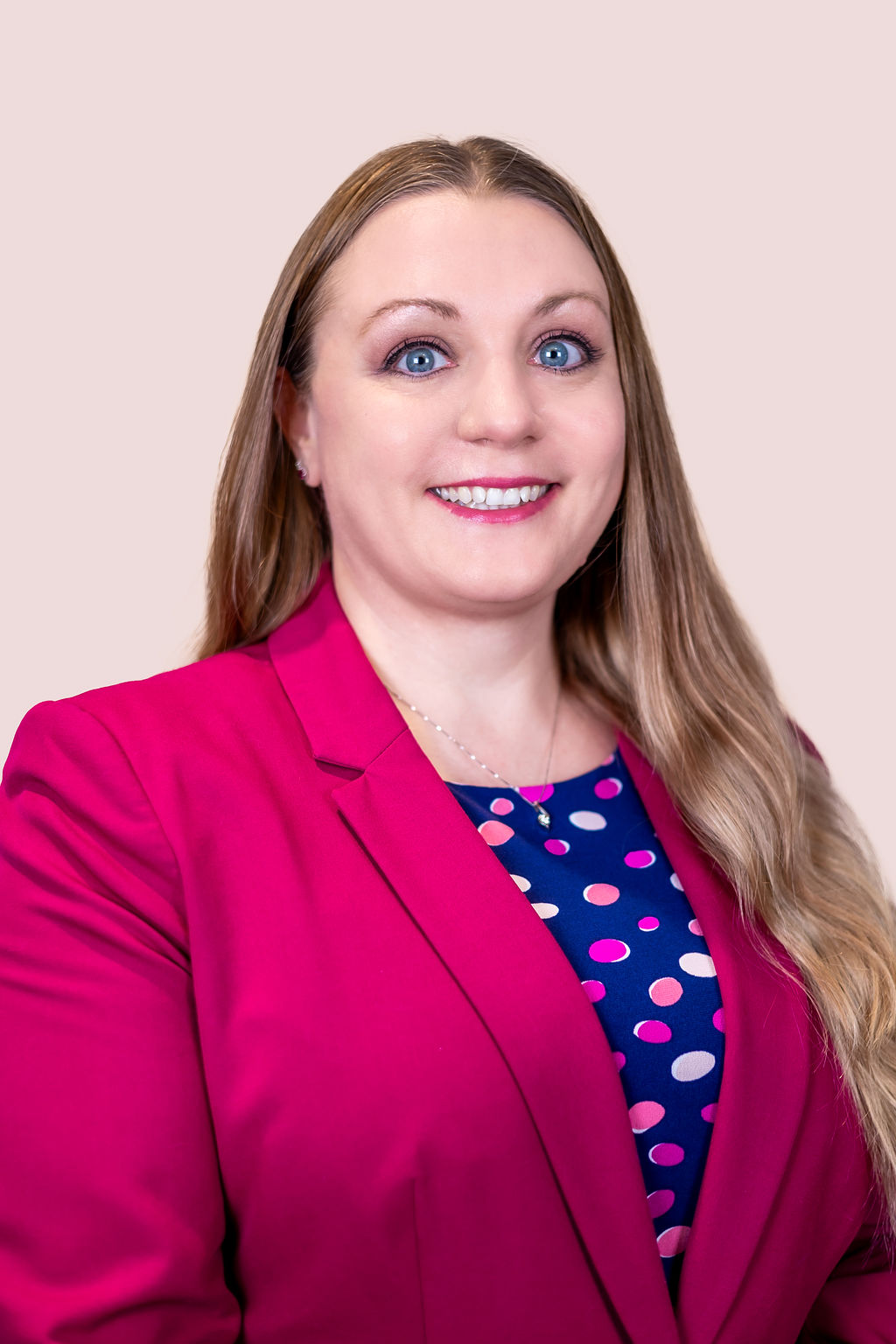
Christine Heid
,
PhD, MSN/Ed, RN, CNE, CHSE
Dr. Christine "Christy" Heid is a dedicated nurse educator, innovator, and simulationist with over two decades of experience. She holds a PhD in Nursing and has made significant contributions to nursing education, particularly in simulation-based learning and clinical judgment development. Dr. Heid is the creator of the Heid ATE Guide for Clinical Teaching and Learning©, an innovative tool designed to build nurses' clinical judgment skills. She is the former Chair of the INACSL Education Committee, a member of the OADN Simulation Committee, and a contributor to the Cornerstones of Best Practice, which explores the application of the Healthcare Simulation Standards of Best Practice™. Her work focuses on promoting innovative teaching strategies, simulation-based competency evaluation, and fostering deep learning across academic and practice settings to improve healthcare and educational outcomes.
Samantha Smeltzer
,
DNP, RN, CHSE
Dr. Samantha Smeltzer is a dynamic nurse educator and simulation leader with a decade of experience advancing healthcare education through innovative simulation practices. She currently serves as the Vice President of Simulation at Orbis Education, where she leads simulation program development, extended reality (XR) integration, and national faculty development initiatives aligned with the Healthcare Simulation Standards of Best Practice®. She is a Certified Healthcare Simulation Educator (CHSE) and holds a Simulation and Instructional Management Certificate from Robert Morris University. Her scholarship includes peer-reviewed publications on prebriefing, learner safety, and XR simulation, and she has presented nationally at conferences such as INACSL, IMSH, and AACN Transform, while also serving on the INACSL Prebriefing Subcommittee and contributing to simulation research initiatives across academia and industry partnerships.
Join Us

